
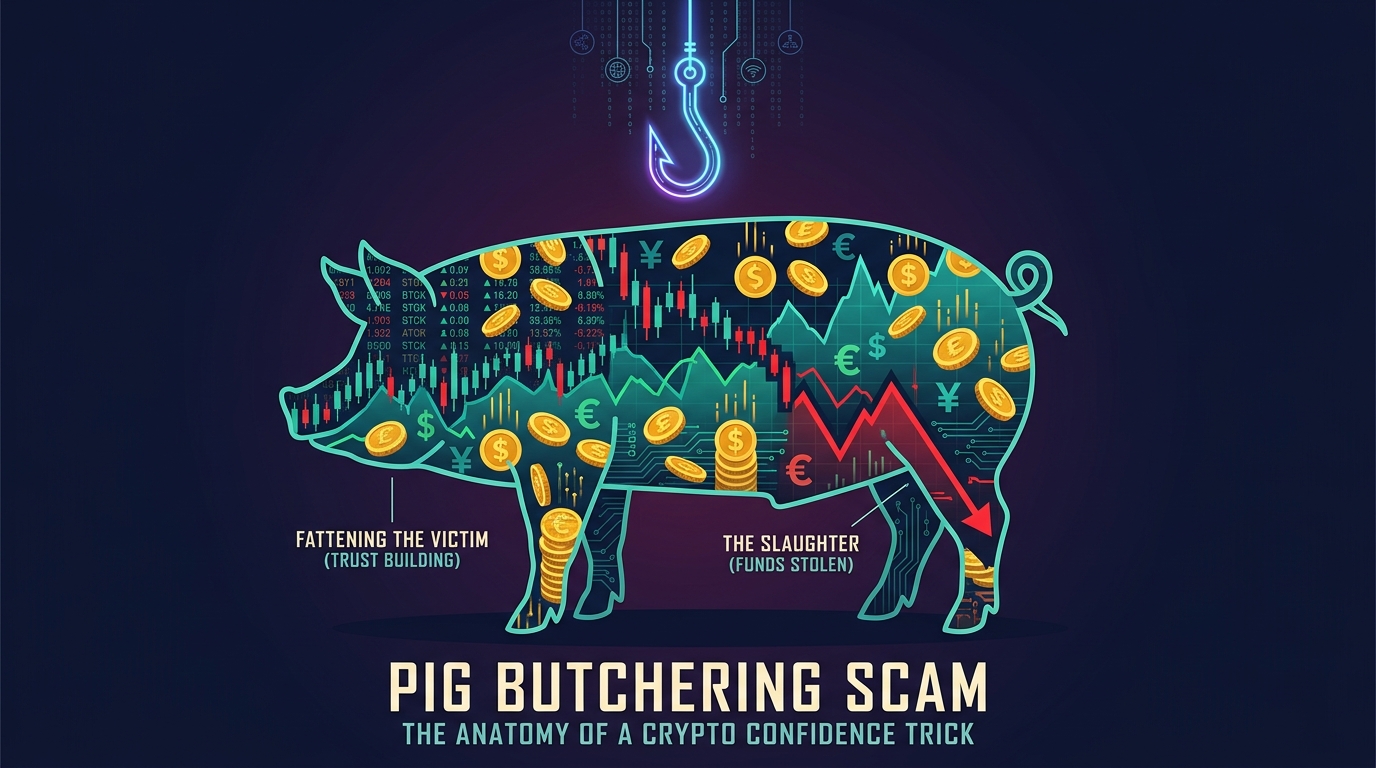
In recent years, one of the fastest-growing financial scams has been what’s known as a “pig butchering” scam. While the name may sound unusual, it describes a devastating form of fraud that has cost victims billions of dollars worldwide.
Unlike traditional scams that try to steal your money immediately, pig butchering scams are carefully planned. Criminals spend days, weeks, or even months building trust before asking for a single dollar.
How the Scam Works
The scam typically begins with an unexpected message. It may arrive as a text, WhatsApp message, Facebook message, Instagram direct message, LinkedIn connection request, or even through a dating app.
Often, the first message appears completely innocent:
- “Hi Sarah, are we still meeting for dinner?”
- “I think I have the wrong number.”
- “Sorry, I must have saved the wrong contact.”
If you respond—even just to say they have the wrong number—the conversation continues. The scammer is friendly, polite, and never seems to be in a hurry.
Over time, they ask about your life, your family, your hobbies, and your career. Some even send photos, voice messages, or make video calls using stolen identities or AI-generated content. Their goal is simple: earn your trust.
The Investment Opportunity
Once a relationship has been established, the conversation shifts toward financial success.
The scammer casually mentions how they earn extra income through cryptocurrency, foreign exchange trading, or another investment platform. They may claim a relative taught them, a successful business partner introduced them to it, or they simply discovered a profitable strategy.
Eventually they offer to help you get started.
At first, everything appears legitimate.
You invest a small amount—perhaps a few hundred dollars—and you’re shown impressive profits. The website or app looks professional, complete with charts, account balances, and customer support. You may even be allowed to withdraw a small amount of money, reinforcing the illusion that the investment is real.
Encouraged by these early “successes,” many victims invest larger sums, believing they’re growing real wealth.
The Trap Closes
When victims attempt to withdraw larger amounts, problems suddenly appear.
They’re told they must first:
- Pay taxes.
- Pay processing fees.
- Upgrade to a premium account.
- Deposit additional funds for “verification.”
- Maintain a minimum account balance.
Every payment leads to another excuse.
Eventually, the website disappears, customer support stops responding, and the scammer vanishes.
The investment never existed. The money was stolen from the moment it was sent.
Why So Many People Fall for It
These scams are effective because they exploit human psychology rather than technical vulnerabilities.
Scammers:
- Build genuine-looking relationships over time.
- Never pressure victims early in the conversation.
- Appear knowledgeable and financially successful.
- Use polished websites and professional-looking apps.
- Take advantage of emotions such as trust, excitement, loneliness, or the fear of missing out.
Today’s criminals also use artificial intelligence to write convincing messages, translate conversations into multiple languages, generate realistic profile photos, and even create convincing voice or video content.
Warning Signs
Be cautious if someone:
- Contacts you unexpectedly and continues chatting after claiming to have the wrong number.
- Quickly becomes unusually friendly or interested in your personal life.
- Mentions making significant profits through cryptocurrency or investing.
- Encourages you to use a specific investment platform you’ve never heard of.
- Offers to teach you how to make easy or guaranteed returns.
- Pressures you to invest more after showing early “profits.”
- Tells you that additional deposits are required before you can withdraw your money.
Legitimate investment firms do not recruit customers through random text messages or social media conversations.
How to Protect Yourself
If someone you met online begins discussing investments:
- Be skeptical, even if you’ve been talking for weeks or months.
- Research the investment platform independently.
- Verify that the company is properly registered with financial regulators.
- Never rely on screenshots, account balances, or testimonials provided by the person encouraging you to invest.
- Discuss major investment decisions with a trusted family member, financial advisor, or attorney before sending money.
If You Think You’ve Been Targeted
Stop sending money immediately.
Do not pay additional “fees” or “taxes” to unlock your account—these are almost always part of the scam.
If you’ve already transferred funds, contact your bank, credit card company, or cryptocurrency exchange as soon as possible. Then report the incident to your local law enforcement agency and the FBI’s Internet Crime Complaint Center (IC3) at www.ic3.gov.
The Bottom Line
Pig butchering scams don’t rely on hacking computers—they rely on earning your confidence. The criminals behind these schemes are patient, organized, and highly skilled at manipulating emotions.
Remember: if someone you’ve met online begins steering the conversation toward investment opportunities or promises unusually high returns, it’s time to step back and verify everything independently. A legitimate investment will still be there tomorrow—but a scammer hopes you’ll act before you have time to think.


